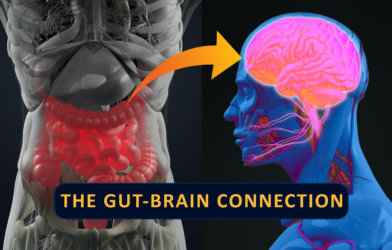

An interesting new study found that the key to a healthier gut might be in a missing protein. Published in the journal Proceedings of the National Academy of Sciences (PNAS), the research suggests that mice without a specific protein, called IL-22 binding protein, or IL-22BP, were more protected against severe gut infections. The finding is a counterintuitive look at how we understand gut health, proposing that a stronger defense isn’t always about adding a new layer of protection, but sometimes about removing a roadblock.
A Decoy Protein and the Gut’s Immune System
So, what exactly is this protein, IL-22BP?
Your gut has a built-in defense system. A key player in this system is a protein called Interleukin 22, or IL-22, which strengthens the gut lining and helps produce substances that fight off bad bacteria. The protein IL-22BP acts like a decoy, binding to IL-22 and preventing it from doing its job of protecting the gut. Previous research has already linked high levels of IL-22BP to gut inflammation, but this study dives deeper into its role.
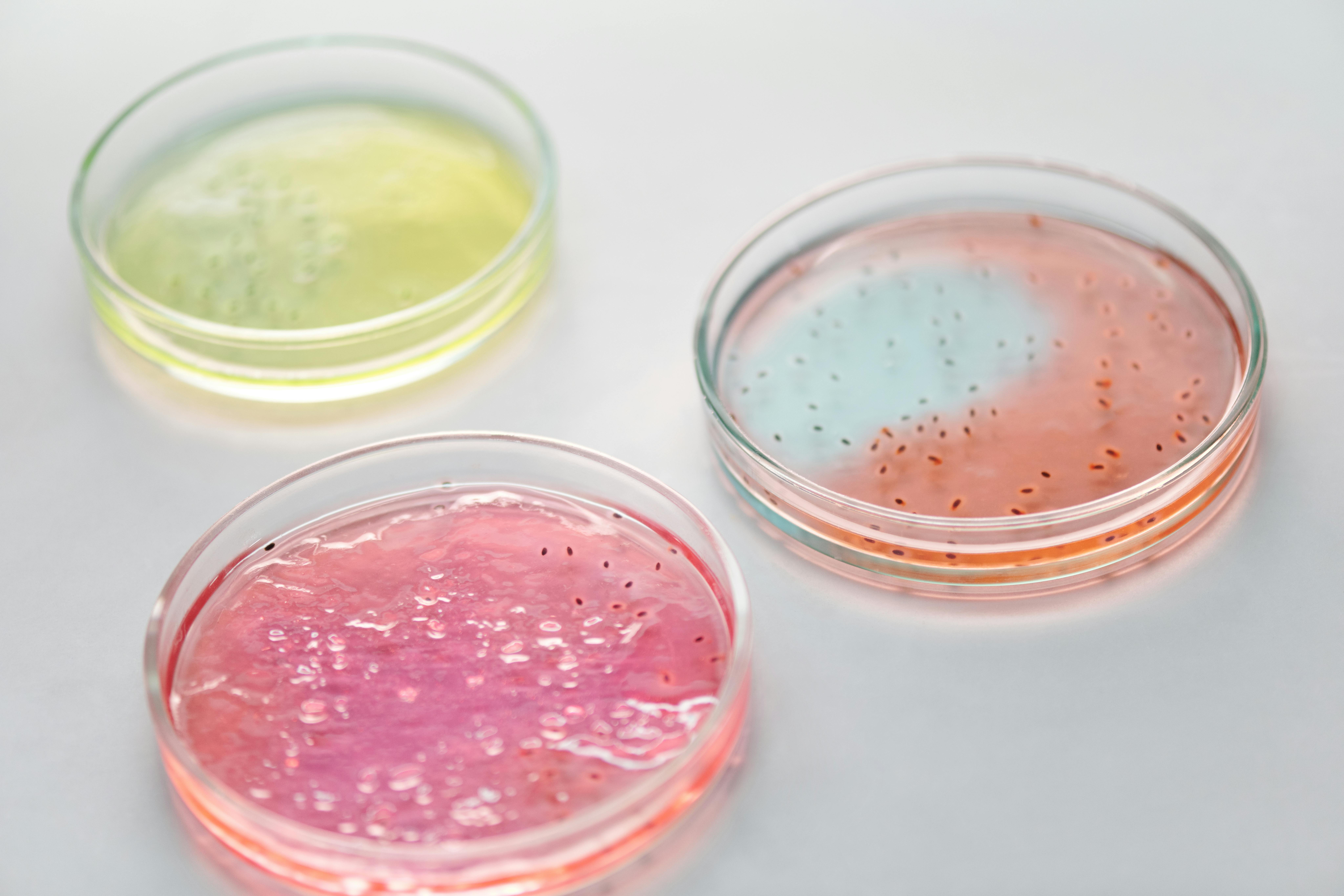
To investigate, researchers used two groups of mice: one with the IL-22BP protein and one without. After infecting both groups with the harmful bacteria Clostridioides difficile, or C. diff, they found that the mice lacking the protein were much more resilient. They had less weight loss and fewer signs of illness, which was a clear sign that something was protecting them.
The Microbiome as a Protective Shield
The most surprising discovery was that the protection wasn’t just a result of the mice’s enhanced immune system. Researchers suspected the gut microbiome—the vast community of bacteria that live in our intestines—was responsible.
To test this, they put the protected mice and the normal mice in the same cage, a process called cohousing, to allow them to share their microbiomes naturally. The normal mice became more resistant to the infection, which points to the idea that the gut bacteria from the protected mice were somehow making the normal mice stronger.
To prove this beyond a doubt, the researchers performed a cecal microbiota transplantation (CMT), where they directly transferred gut bacteria from the protected mice to normal mice. The normal mice that received this transplant had a significantly higher survival rate and far fewer symptoms after being infected. The results of this transplantation solidifies the finding that the gut bacteria, not a change in the mice’s immune system, were the source of protection.
The Role of Healthy Gut Bacteria
The next question for the researchers was what made the microbiome of these mice so special. They found that it was rich with bacteria that produce short-chain fatty acids (SCFAs), which are compounds released when gut bacteria break down dietary fiber. One of these, acetate, was found to be the key to protecting the mice from infection. The absence of the IL-22BP protein appears to have created an ideal environment for these beneficial bacteria to flourish, leading to a healthier, more resilient gut.
The findings from this study open the door to a new way of thinking about how we can fight gut infections. The research indicates that instead of just using powerful antibiotics to kill bad bacteria, we could potentially develop new treatments that focus on nurturing the right kind of gut ecosystem from the start.
Paper Summary
Methodology
Researchers used mice to study the effects of a protein called IL-22BP on the gut and its ability to fight infection. They compared mice that had the protein to those that did not, then infected both groups with bacteria. To show that the gut bacteria were responsible for the protection, they used two methods:
cohousing, where mice shared their microbiomes naturally by living together, and cecal microbiota transplantation, where gut bacteria were directly transferred from one group of mice to another.
Results
Mice without the IL-22BP protein were better protected against infections from
C. difficile and C. rodentium bacteria. The study found that this protection was linked to their unique gut bacteria, and this protective effect was successfully transferred to other mice through cohousing and transplantation. The protected mice’s microbiome was found to be rich in bacteria that produce beneficial compounds called short-chain fatty acids, which helped strengthen the gut against infection.
Limitations
The findings of the study are based on research conducted in mice and may not have the same results in humans.
Funding and Disclosures
A co-author of the study, Marco Vinolo, received funding from the São Paulo Research Foundation (FAPESP) for his research on gut microbiota and inflammation. The authors of the paper stated that they have no competing interests.
Publication Information
The study, titled “Deficiency of IL-22-binding protein enhances the ability of the gut microbiota to protect against enteric pathogens,” was published on April 30, 2024, in the journal
Proceedings of the National Academy of Sciences (PNAS). The first author is José L. Fachi.